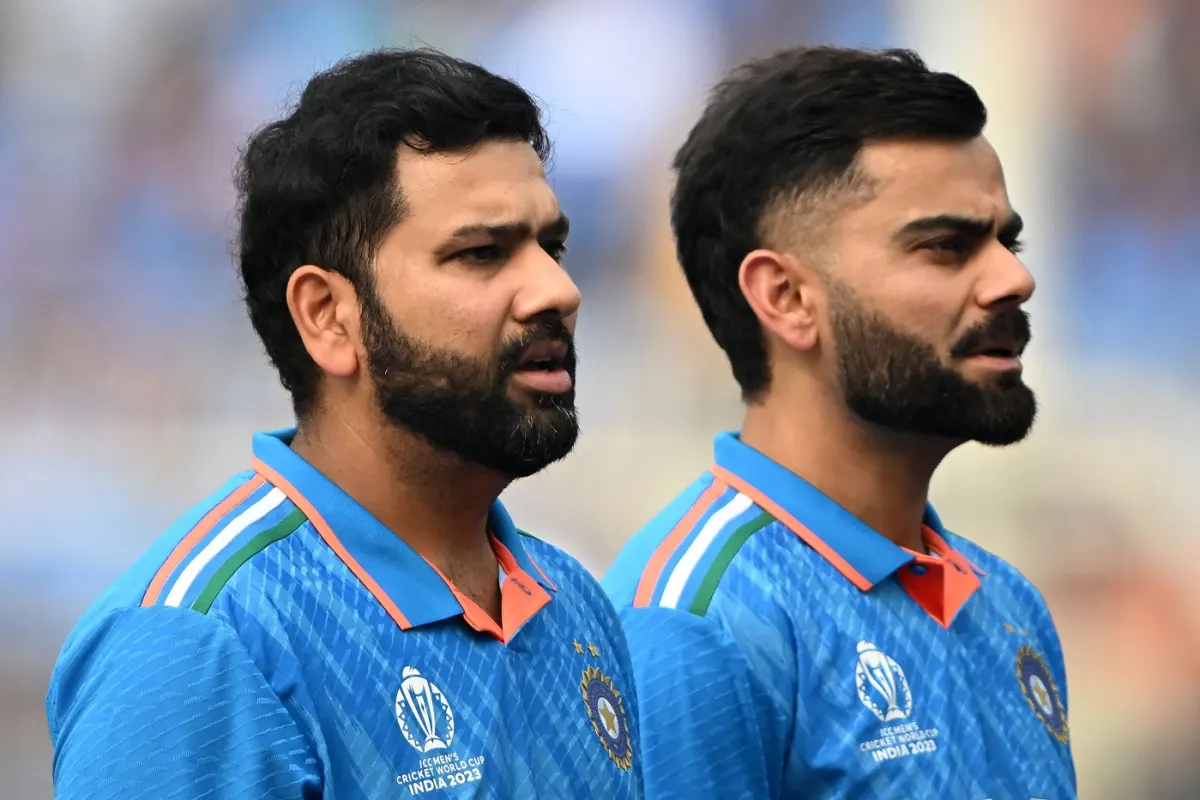
India’s preparations for the 2027 ODI World Cup are bringing an important selection question into focus: how should a team balance the experience of its established match-winners with the demands of building for the future? For Virat Kohli and Rohit Sharma, the answer may depend less on their birth dates and more on what they continue to deliver on the field.
Board of Control for Cricket in India (BCCI) president Mithun Manhas has said fitness and performance should guide selection for the tournament, rather than age. His comments offer encouragement to supporters hoping to see the two senior batters in India’s World Cup squad, but they do not amount to a selection guarantee. Manhas has made it clear that the final decision rests with the selectors and coaching staff.
The 2027 men’s ODI World Cup is scheduled to take place in South Africa, Zimbabwe and Namibia. Rohit will turn 40 before the tournament begins, while Kohli will turn 39 during the competition. Their ages have naturally intensified discussion about the timing of India’s transition towards a younger generation, particularly with Shubman Gill leading the ODI side.
Yet international cricket rarely offers a simple formula for replacing experienced players. Kohli’s value lies not only in his ability to score runs, but also in his understanding of pressure, pacing an innings and managing a chase. Rohit brings a different set of strengths, including his ability to attack during the powerplay, disrupt bowling plans and turn a strong start into a match-defining score. Their experience in major tournaments could be especially valuable when conditions or match situations become difficult.
Recent performances have also kept the debate relevant. Both players have continued to produce significant contributions in ODI cricket, demonstrating why selection discussions cannot be settled by age alone. However, form over a short period is only one part of the assessment. A World Cup campaign demands consistency, physical readiness, recovery between matches and the ability to perform across different conditions.
The challenge for India’s selectors will be to evaluate those factors alongside the development of younger batters. A place in a World Cup squad cannot be awarded solely on reputation, just as it should not be denied solely because a player has crossed a particular age. The key questions will include whether each player remains effective against varied bowling attacks, can sustain the required workload and offers the team a clear role.
Manhas has also highlighted the value senior players could provide to Gill’s leadership. Alongside Kohli and Rohit, experienced all-rounder Hardik Pandya and fast bowler Jasprit Bumrah could help distribute responsibility within the team. Such support can matter during high-pressure tournaments, when tactical decisions, communication and emotional control are tested as much as technical skill.
There is, however, a distinction between backing a selection principle and confirming a final squad. The BCCI president’s comments establish that age should not automatically close the door, but the selectors will ultimately have to make choices based on evidence available closer to the tournament.
For Kohli and Rohit, the path to 2027 is therefore straightforward in principle but demanding in practice: stay fit, maintain performance and show that their presence strengthens India’s chances of winning. For the team, the task is to combine proven experience with emerging talent without allowing sentiment or age-based assumptions to replace cricketing judgement.