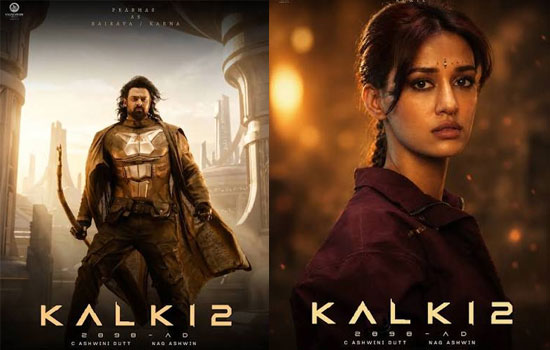
Prabhas has two ambitious films moving through production, and the way their schedules are being coordinated offers a glimpse into the scale of his current commitments. The actor is presently working on a tightly planned four-day shooting schedule for the science-fiction sequel Kalki 2, with the November 3–6 window set aside for the project. This phase is expected to be completed before production work on the major battle sequences of Hanu Raghavapudi’s Fauzi gathers full momentum.
The scheduling arrangement reflects the logistical demands of handling two large-scale productions at the same time. Rather than allowing the projects to compete for his availability, the production plan appears to give each film a defined working window. For films involving extensive sets, large crews and technically demanding sequences, such coordination can be essential to maintaining production continuity.
Kalki 2 carries considerable expectations following the attention generated by its predecessor. The sequel belongs to a science-fiction world that requires substantial visual planning, detailed production design and coordination between performers and technical departments. Even a short shooting schedule can involve significant preparation when scenes depend on carefully constructed environments, specialised equipment or visual-effects requirements.
The four-day November schedule should therefore be viewed as a specific production phase rather than an indication of the sequel’s overall shooting progress. A limited block of filming may cover scenes that have already undergone extensive preparation. The actual scale of the work cannot be determined simply by counting the number of shooting days.
For Prabhas, returning to the Kalki universe also means continuing a character and narrative journey that audiences are eager to follow. Sequels to large-scale films face a particular challenge: they must retain the elements that made the original memorable while expanding the story in a meaningful way. Maintaining consistency in performance, appearance and character development becomes especially important when filming is spread across different production phases.
Once this scheduled work is completed, attention is expected to shift towards Fauzi, directed by Hanu Raghavapudi. The film is preparing to move into a major battle-sequence phase, suggesting that its production will involve demanding action choreography and substantial coordination. Such sequences generally require detailed planning involving performers, stunt teams, supporting artists, production design and camera departments.
The transition between the two projects is significant because their creative requirements are different. Kalki 2 operates within a science-fiction setting, while Fauzi is positioned around a period-action world. Moving between these productions requires more than a change of location or costume; it can involve adjustments in physical performance, character presentation and the visual language of each film.
For the wider Telugu film industry, the simultaneous progress of two high-profile projects involving one leading actor also highlights the growing complexity of large-budget filmmaking. Production schedules must accommodate the availability of key performers while ensuring that expensive technical teams and prepared shooting locations are used efficiently. Delays in one department can affect several connected units, making carefully planned schedules particularly valuable.
At this stage, the November 3–6 window is the clearest reported detail about Prabhas’ immediate Kalki 2 commitment. The precise number of scenes, the sequel’s remaining shooting duration and the complete schedule for Fauzi have not been established in the available update. Those details will be important in understanding how both productions will progress over the coming months.
With Kalki 2 taking priority for this short shooting phase and Fauzi preparing for its action-heavy work, Prabhas’ immediate calendar reflects two distinct filmmaking challenges. The next significant development will be how smoothly the actor and production teams move from one demanding project to the other.