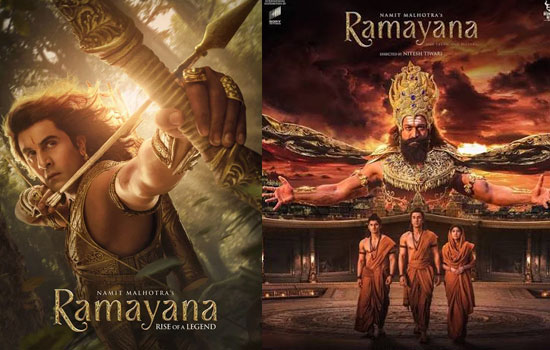
A film rooted in one of India’s most familiar epics carries expectations that extend well beyond conventional box-office calculations. Nitesh Tiwari’s Ramayana is beginning to reflect that scale of interest, with its worldwide advance sales reportedly crossing the ₹45 crore mark ahead of its theatrical release. The figure signals an encouraging start to the film’s commercial journey and adds to the growing attention surrounding one of Indian cinema’s most ambitious mythological projects.
Advance sales offer an early indication of audience interest, but they should not be mistaken for a final measure of box-office performance. The value of pre-release bookings depends on several factors, including the number of territories covered, ticket prices, show availability, booking windows and whether the reported total includes all formats and markets. The ₹45 crore milestone is therefore best understood as an early business indicator rather than a guarantee of the film’s eventual earnings.
The scale of the project itself is a major reason behind the attention. The Ramayana is deeply embedded in India's cultural imagination, and its many interpretations have reached audiences through literature, theatre, television and cinema. Any large-screen adaptation must balance familiarity with fresh visual storytelling. Viewers may already know the central characters and broad narrative, but they will still expect the filmmaking team to offer a compelling cinematic experience.
For director Nitesh Tiwari, the challenge involves translating a widely recognised epic into a film language that can engage contemporary audiences while respecting the source material. Large-scale visual effects, production design, performances and music are likely to play significant roles in shaping the film’s reception. At the same time, spectacle alone cannot sustain audience interest; emotional depth, character development and narrative clarity will be equally important.
The advance-sales figure also highlights the commercial potential of event-driven Indian cinema. Films built around familiar cultural stories can attract interest across regions and generations, creating opportunities for a wider theatrical audience. However, strong initial bookings do not automatically translate into sustained collections. Word of mouth, audience response, reviews, screen availability and competition from other releases will influence the film’s performance after opening day.
Another important factor is the distinction between domestic and international business. A worldwide advance-sales figure combines activity across different markets, where ticket prices, release schedules and booking patterns can vary considerably. Without a market-wise breakdown or confirmation of the reporting methodology, the total should be treated as a reported aggregate rather than a complete picture of demand.
For now, crossing ₹45 crore in worldwide advance sales gives Ramayana a notable pre-release talking point. The more decisive test will come when audiences experience the film in theatres. Its ability to convert anticipation into repeat interest and sustained box-office performance will ultimately determine whether this early momentum becomes a landmark commercial result.