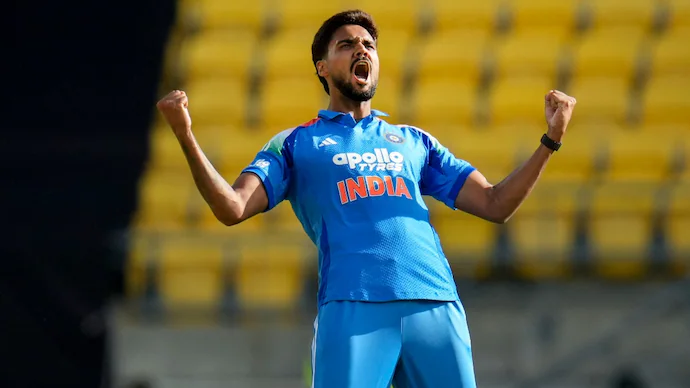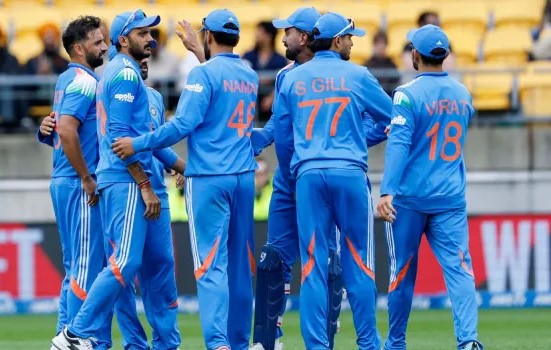
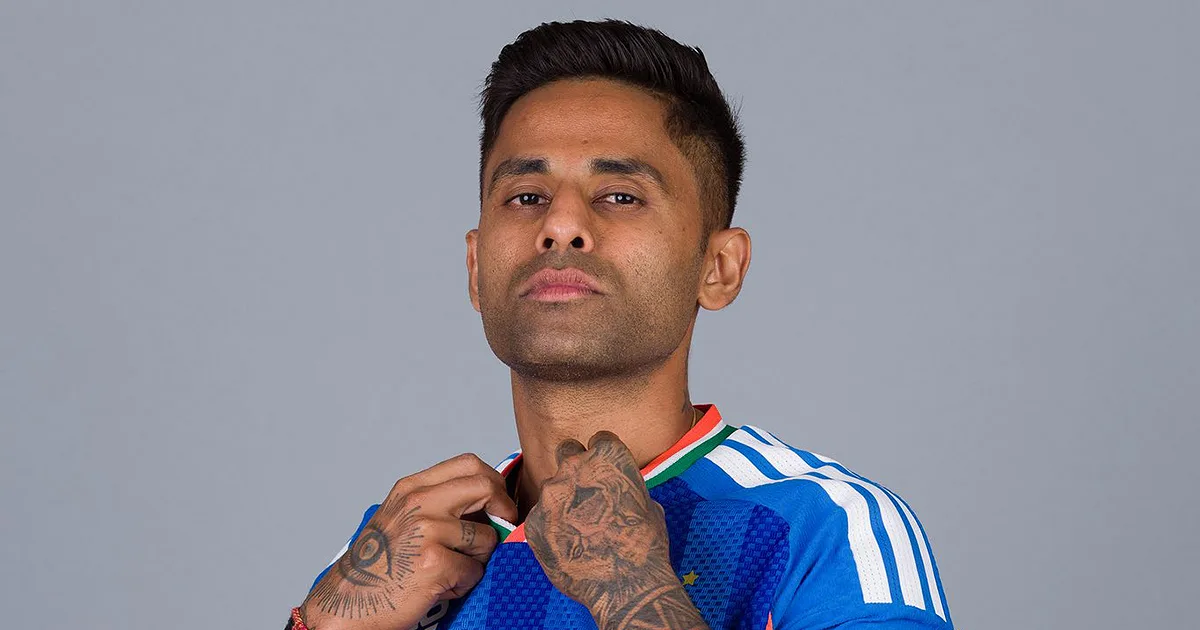
Winning a T20 World Cup is often considered the high point of a cricketer’s career. But for Suryakumar Yadav, the months that followed India’s triumph brought an unexpected personal and professional challenge. After leading the national side to the 2026 T20 World Cup title, the batter found himself outside the Indian team. Now, the former captain says he has worked through that disappointment and is approaching the game with a renewed sense of purpose.
Speaking at a T20 Mumbai League event in Mumbai on Tuesday, November 10, Suryakumar openly acknowledged that the period after the World Cup had been difficult. Rather than dismissing the emotional impact of losing his place, he said accepting the reality of the situation was necessary to move forward. His comments offer a glimpse into the pressures that can follow even the biggest achievements in international cricket.
India defeated New Zealand by 96 runs in the T20 World Cup final on March 8, 2026, with Suryakumar leading the team to the title. However, that final also marked his most recent appearance in an India shirt. He scored a first-ball duck in the match, following a difficult run of batting performances. His loss of place was therefore not simply a change in leadership; it came amid questions about his recent form and the team's plans for the next international cycle.
The selectors later explained that the decision involved both Suryakumar’s performances and a broader assessment of India's future requirements. Chief selector Ajit Agarkar said the team management had considered the next T20 World Cup cycle while deciding to move forward with Shreyas Iyer as captain. That explanation places the change within the larger demands of international team-building, where past success does not automatically guarantee a permanent place.
Suryakumar revealed that the first two months after the setback were particularly hard. A major change in his personal life, however, helped him find a different perspective. The birth of his daughter in May shifted much of his attention towards family, making the following months more meaningful even as he dealt with uncertainty about his cricketing future.
Conversations with his wife, Devisha Shetty, also helped him reconsider his approach. She encouraged him to reconnect with the enthusiasm he had as a 15-year-old who simply wanted to represent Mumbai at the Under-15 level. Suryakumar said he had begun training with that earlier mindset again, concentrating on enjoying the sport and contributing to his team rather than allowing selection concerns to dominate his thinking.
His immediate opportunity to put that mindset into practice will come in the Syed Mushtaq Ali Trophy, where he is set to lead Mumbai. The domestic T20 competition offers him a meaningful platform to regain rhythm, demonstrate consistency and contribute to a team with a strong cricketing tradition. It is also a chance to work closely with younger players and reinforce the importance of building a career through domestic cricket.
At the Mumbai event, Suryakumar also urged young cricketers not to treat an IPL contract as their ultimate ambition. He argued that representing Mumbai and eventually India should remain the bigger objectives, with franchise opportunities following strong performances. The message reflects his own journey through age-group and domestic cricket before reaching the international stage.
A return to the Indian side is not guaranteed, and Suryakumar has not suggested otherwise. His immediate focus is on winning matches and a championship for Mumbai. For a player who has experienced the highs of a World Cup victory and the disappointment of losing his place soon afterwards, the domestic season could become an important test of both form and resilience.