Director: Janakiram Marella
Cast: Sree Vishnu, Mahima Nambiar, Radhika Sarathkumar, Shine Tom Chacko, Upendra Limaye, Satya and others.
Music Director: Vijai Bulganin
Producers: Venkata Krishna Karnati and Seetha Karnati
Presented by: Kona Venkat
Banners: Skanda Vahana Motion Pictures LLP and Kona Film Corporation
Release Date: October 9, 2026.
Overview & Story
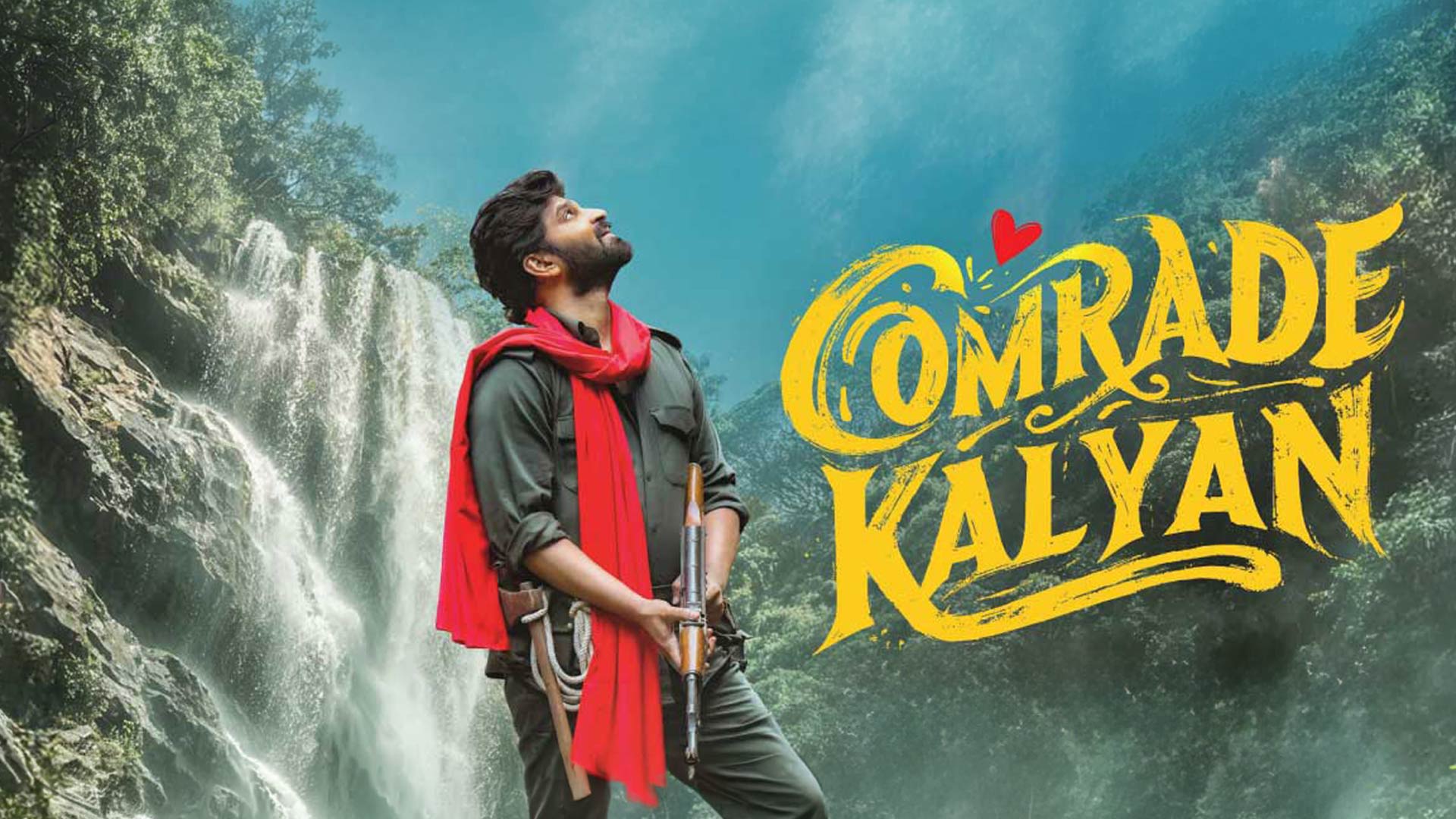
Comrade Kalyan arrives with a title that suggests a story rooted in ideology, individual identity and the struggles of an ordinary person confronting a larger system. The film’s central appeal lies in the expectations created by its premise, which points towards a character driven by personal convictions and circumstances that gradually push him into conflict. Rather than relying entirely on a straightforward commercial template, the film attempts to establish a narrative space where the protagonist’s decisions and the consequences surrounding them become important to the larger dramatic arc. However, the effectiveness of such a premise ultimately depends on how convincingly the characters are introduced, how naturally the conflicts develop and whether the emotional foundation is strong enough to hold the audience’s attention.
The initial stretch works towards establishing the protagonist’s circumstances and the situations that influence his journey. As the story moves forward, the central conflict begins to take shape, creating the expectation of a more engaging confrontation as the narrative approaches its interval point. The film attempts to build curiosity around the choices facing its central character, while the surrounding events provide opportunities for drama and character development. Nevertheless, the writing does not consistently extract the full potential of its premise. Some developments would have benefited from greater clarity and stronger dramatic preparation, while the transition between establishing the characters and intensifying the conflict could have been more seamless. The result is a film that creates interest in its basic idea but struggles to maintain the same level of engagement throughout its storytelling.
In-Depth Analysis & Review
The film’s biggest challenge is the gap between the potential of its central idea and the impact achieved through its execution. A character driven by strong beliefs or placed in difficult circumstances needs to feel authentic before the audience can emotionally invest in his journey. Comrade Kalyan attempts to build this connection through its protagonist and the situations surrounding him, but the character development does not always reach the depth required to make every major decision convincing. Certain dramatic moments appear designed to create an immediate response, yet their impact depends on emotional groundwork that the screenplay does not establish consistently. This makes some scenes feel more functional than genuinely powerful.
The performances contribute to the film’s overall narrative, although the strength of individual characterisation and the material available to the actors influence how effectively the drama comes across. The lead character needs a convincing balance of vulnerability, determination and intensity, particularly when the story places him under pressure. The supporting characters also need enough substance to feel like individuals with their own motivations rather than simply serving the protagonist’s journey. Where the interactions carry a clear emotional purpose, the film has opportunities to connect with viewers. However, uneven writing limits the depth of some character relationships, reducing the impact of moments that could otherwise have been more memorable.
The direction shows an intention to build a meaningful story around its central conflict, but the screenplay lacks the consistency required to sustain that intention across the film. The pacing is one of the principal concerns, with certain stretches requiring tighter editing and more purposeful scene construction. Some developments take longer than necessary to reach their intended dramatic point, while the emotional transitions could have been handled with greater subtlety. The interval build-up attempts to create anticipation for what follows, but the overall effectiveness of the narrative depends on whether the second half can deliver satisfying consequences for the conflicts introduced earlier. The film has moments of promise, yet the uneven progression prevents those moments from combining into a consistently gripping experience.
Technical Finesse & Final Verdict
The technical departments play an important role in determining how effectively the film communicates its mood and dramatic intentions. The music needs to reinforce the emotional direction of the story without interrupting its flow, while the background score must add intensity to crucial confrontations and quieter character moments alike. The film's overall impact depends on how successfully these elements work alongside the performances and screenplay. Cinematography similarly has the responsibility of establishing the atmosphere and making the film's setting feel relevant to the characters' experiences. A more cohesive visual approach and sharper editing could have improved the transition between dramatic sequences, strengthened the narrative rhythm and given important moments greater emphasis. Production values ultimately serve the story, but technical polish alone cannot compensate for shortcomings in character development and screenplay construction.
Comrade Kalyan is best approached as a film with an interesting central premise that does not consistently translate its potential into compelling cinema. Its ambition to create a character-focused dramatic experience deserves consideration, but the uneven screenplay, inconsistent pacing and limited emotional depth hold it back from becoming a more satisfying watch. Viewers who enjoy character-led South Indian dramas may find aspects of the film worth exploring, while audiences looking for tightly written storytelling, powerful emotional payoffs and sustained dramatic intensity may find the experience underwhelming. The film delivers enough to suggest what it could have achieved with stronger writing and more disciplined execution, but the overall result remains mixed.
Rating: 2.5/5