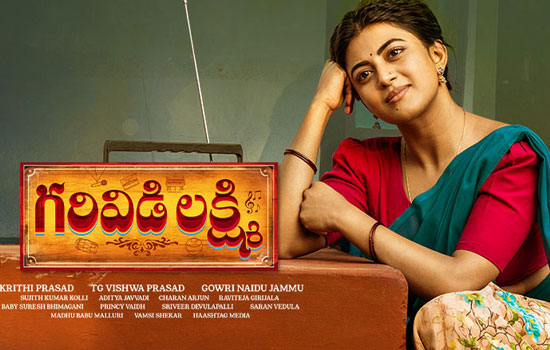
Director: Gowri Naidu Jammu
Cast: Anandhi, Rag Mayur, V. K. Naresh, Raasi, Srinivas Avasarala, Ankith Koyya, Sharanya Pradeep, L. B. Sriram, Shakalaka Shankar and others
Music Director: Charan Arjun
Producer / Banner: T. G. Vishwa Prasad and Krithi Prasad / People Media Factory
Release Date: October 17, 2026
Overview & Story
Some lives deserve to be remembered not merely for personal achievements but for the cultural traditions they help preserve. Garividi Laxmi takes this idea to the screen through the life of a celebrated folk artiste from North Andhra whose performances and Burrakatha storytelling earned her a special place among audiences. Directed by Gowri Naidu Jammu, the film attempts to bring the world of regional folk performance to a contemporary theatrical audience while exploring the struggles of an artiste who worked within a tradition where public recognition and opportunities were not always equally accessible.
Anandhi plays the titular character, a gifted performer whose voice and stage presence gradually establish her identity among village audiences. The narrative follows her artistic journey, the social circumstances surrounding her rise, and the challenges involved in sustaining a career rooted in traditional performance. The film also builds a mystery around her disappearance, with a later investigation into her life becoming an important narrative thread. This combination of biography, folk music and unanswered questions gives the story a purpose beyond a conventional rise-to-fame drama. The central appeal lies in discovering the person behind the celebrated performer and understanding why her contribution continues to matter.
In-Depth Analysis & Review
Anandhi is the film's strongest asset. She approaches Garividi Laxmi with a grounded screen presence, giving the character an identity that feels connected to the cultural environment rather than shaped merely for dramatic effect. The role demands more than emotional reactions; it requires the portrayal of an artiste whose confidence, commitment and relationship with her audience develop through performance. Anandhi brings sincerity to these aspects, and her work helps the film maintain an emotional connection even when the screenplay loses momentum. The folk-performance sequences are particularly important because they allow the character's talent to emerge through action rather than relying entirely on dialogue.
The supporting cast contributes to the film's regional atmosphere, with Rag Mayur and the experienced performers helping establish the personal and social relationships around the protagonist. The film's most engaging idea is its attention to an art form that has historically carried stories, social observations and community experiences from one generation to another. Burrakatha is not treated simply as a decorative cultural reference; it becomes central to understanding Laxmi's identity and the reach of her voice. However, the screenplay does not always translate this promising subject into consistently compelling drama. Some portions move slowly, and certain emotional developments could have been explored with greater depth. The transitions between the biographical narrative and the mystery surrounding Laxmi also affect the film's rhythm. A more tightly structured screenplay might have made the character's struggles and achievements more powerful.
Director Gowri Naidu Jammu deserves credit for choosing a culturally meaningful subject and bringing a lesser-known artiste's story to the big screen. The film's strongest moments emerge when it focuses on the lived experience of folk performers, their relationship with village audiences and the effort required to sustain a traditional art form. At the same time, the emotional impact varies across the runtime. Some scenes carry genuine feeling, while others appear to move through important events without giving them sufficient dramatic space. The film's intentions are clear, but its execution is not equally strong in every stretch. Viewers expecting a conventional commercial entertainer with frequent twists and high-energy sequences may find the measured narrative less engaging.
Technical Finesse & Final Verdict
Charan Arjun's music is essential to the film's identity. Since the story revolves around a folk artiste, the songs and musical passages need to communicate the character's talent as well as the cultural character of North Andhra. The folk-based musical approach gives the film authenticity and helps establish an atmosphere distinct from that of a routine contemporary drama. The background score supports the emotional passages, although the overall effect depends heavily on the strength of the scenes themselves. J. Aditya's cinematography captures the rural setting and performance spaces in a manner that supports the film's regional character. The visual treatment serves the subject rather than overwhelming it with unnecessary stylisation.
Ravi Teja Girijala's editing keeps the biographical and mystery elements moving, but tighter trimming in some sections could have improved the pace and made the emotional progression more cohesive. The production values from People Media Factory provide a suitable foundation for the story, with the period and cultural details contributing to its atmosphere. Ultimately, Garividi Laxmi is a sincere attempt to celebrate a folk artiste whose story deserves wider recognition. Anandhi's performance, the film's musical foundation and its focus on North Andhra's folk heritage make it worth considering, even though the screenplay does not consistently deliver the depth its subject promises. It is best suited to viewers interested in biographical dramas, regional culture and folk music rather than audiences seeking a fast-paced commercial entertainer. A culturally significant story supported by a committed lead performance, but held back by uneven pacing and a screenplay that could have explored its subject more deeply.
Rating: 2.5/5