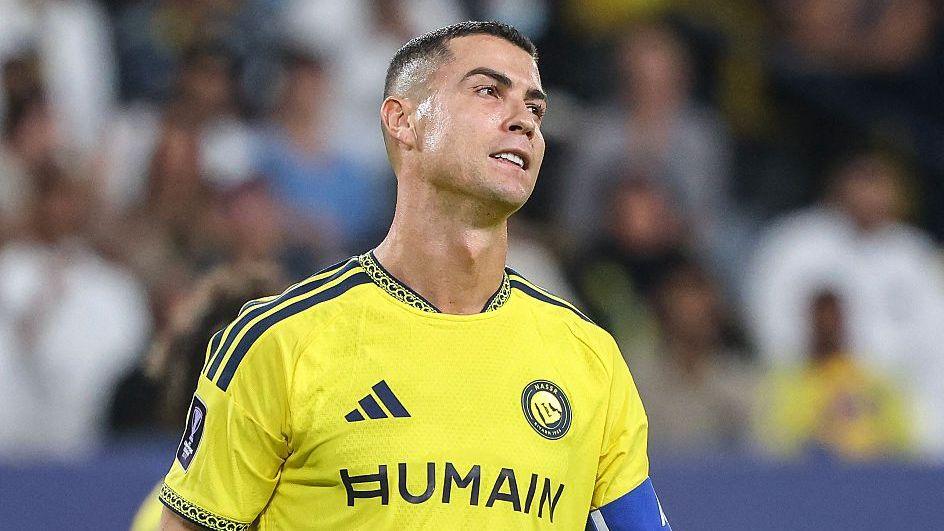
Cristiano Ronaldo’s career has been defined by extraordinary goal-scoring records, major trophies and an ability to remain at the centre of global football well into his late thirties and beyond. However, a disciplinary issue involving his departure from Portugal’s national team camp has brought attention to a different side of his international career, with the Portuguese football federation reportedly imposing a fine over the incident.
The episode places the spotlight on the balance between individual stature and collective responsibility in elite sport. Ronaldo is not simply another player in Portugal’s squad; he is one of the country’s most recognisable sporting figures and a long-standing leader within the national setup. Any disciplinary matter involving him therefore carries significance beyond the immediate financial penalty.
Ronaldo’s commercial success is also remarkable. Widely regarded as the world’s highest-paid footballer, he has been associated with estimated annual earnings of around $300 million and a reported net worth of approximately $1.2 billion. Such figures reflect a career that extends well beyond football salaries, incorporating endorsements, sponsorship agreements and business ventures. However, financial standing does not place a player outside the disciplinary framework that governs a national team.
For a federation, maintaining consistent standards is essential. International squads bring together players from different clubs, leagues and backgrounds for limited preparation periods, making punctuality, communication and adherence to team arrangements especially important. When a player leaves camp without following the required procedures, officials must consider both the circumstances and the potential effect on the wider group. A fine can serve as a formal reminder that team obligations apply regardless of a player’s reputation.
The broader context matters when assessing the incident. Ronaldo has spent much of his international career carrying the expectations of Portugal supporters, while also navigating the physical demands and scheduling pressures associated with top-level football. As players age, managing workload, recovery and club commitments becomes increasingly important. Nevertheless, any explanation for a departure from camp must be established through reliable reporting and official statements rather than assumptions about motivation.
The episode also highlights the changing nature of leadership in modern football. Experience and individual achievement can make a senior player influential, but leadership is judged not only by performances on the pitch. It also depends on communication, accountability and the example set for younger teammates. For a national team preparing for major international competitions, maintaining trust within the squad can be just as important as tactical preparation.
A federation fine does not, by itself, establish that a player’s place in the team is under threat. The consequences depend on the disciplinary rules, the details of the incident and any subsequent response from the player and officials. It would therefore be premature to draw conclusions about Ronaldo’s future with Portugal without further confirmed information.
For Ronaldo, whose career has been shaped by an intense pursuit of excellence, the incident is a reminder that reputation and records cannot replace collective responsibility. The lasting significance will depend less on the size of the fine than on how the matter is resolved and whether the team can move forward without disruption.