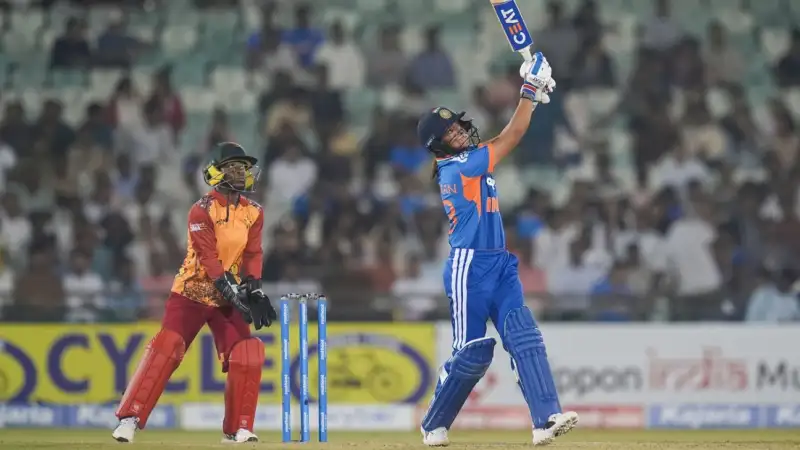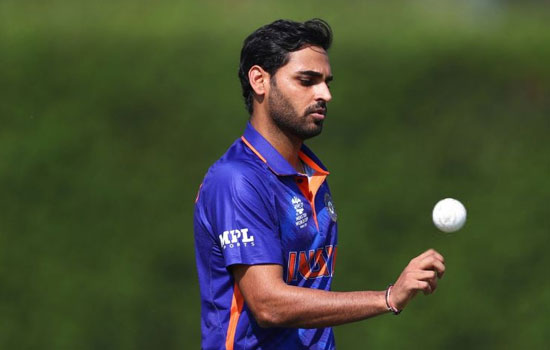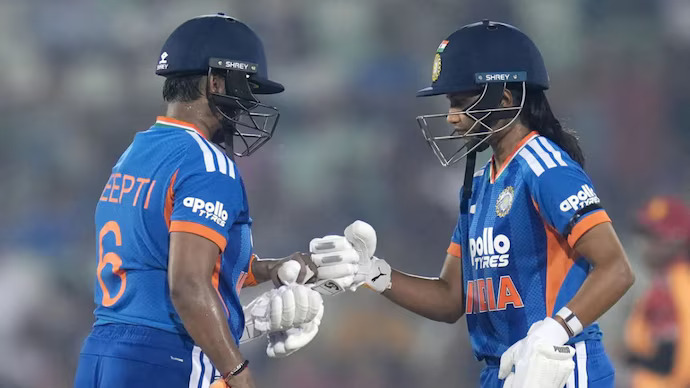

Rishabh Pant’s position in India’s limited-overs setup has become a subject of growing debate, with the wicketkeeper-batter reportedly no longer firmly in contention for regular places in the ODI and T20I teams. Once viewed as a dynamic option capable of changing matches through aggressive batting, Pant now faces the challenge of re-establishing his credentials in formats where competition has become increasingly demanding. His situation highlights how quickly selection priorities can change in Indian cricket, even for players who have previously delivered memorable performances on the international stage.
Pant’s reputation was built on his attacking approach, ability to disrupt bowling plans and willingness to take risks in difficult situations. Although his achievements in Test cricket have been particularly significant, his white-ball career has followed a less consistent path. In limited-overs cricket, selectors must weigh not only a player’s match-winning potential but also recent performances, role clarity, consistency and suitability for the team’s tactical requirements.
India’s wicketkeeper-batter options have expanded, creating a more competitive environment for Pant. Selectors must consider how each candidate fits into the batting order, whether the player can perform under pressure and how effectively the team balances specialist roles with all-round flexibility. A wicketkeeper who contributes consistently with the bat can offer considerable value, particularly in T20 cricket, where every position in the playing XI must justify its place.
The distinction between ODI and T20I selection is also important. One-day cricket allows batters more time to build an innings and adapt to changing match situations, while T20 cricket places a premium on rapid scoring, matchup awareness and immediate impact. Pant’s aggressive instincts can be an asset in both formats, but converting that potential into consistent performances remains essential if he is to challenge established contenders.
Another factor is the importance of continuity in a team preparing for major international tournaments. Coaches and selectors generally seek combinations that can be tested over a sustained period rather than repeatedly changing personnel. Once a competing wicketkeeper-batter establishes a dependable role, reclaiming that position becomes more difficult, especially when opportunities are limited and every international appearance carries significant selection implications.
However, being outside the immediate selection picture should not automatically be interpreted as the end of Pant’s international white-ball career. Selection decisions can change with form, fitness, team requirements and performances in domestic cricket or the Indian Premier League. Strong returns with the bat, improved consistency and clear evidence that he can fulfil a specific role could strengthen his case for another opportunity.
Pant’s experience and attacking ability remain relevant qualities, but reputation alone cannot guarantee selection. The challenge is to demonstrate that his present game meets India’s evolving requirements in the shorter formats. His next phase will therefore be less about past achievements and more about producing performances that make a compelling case to the selectors