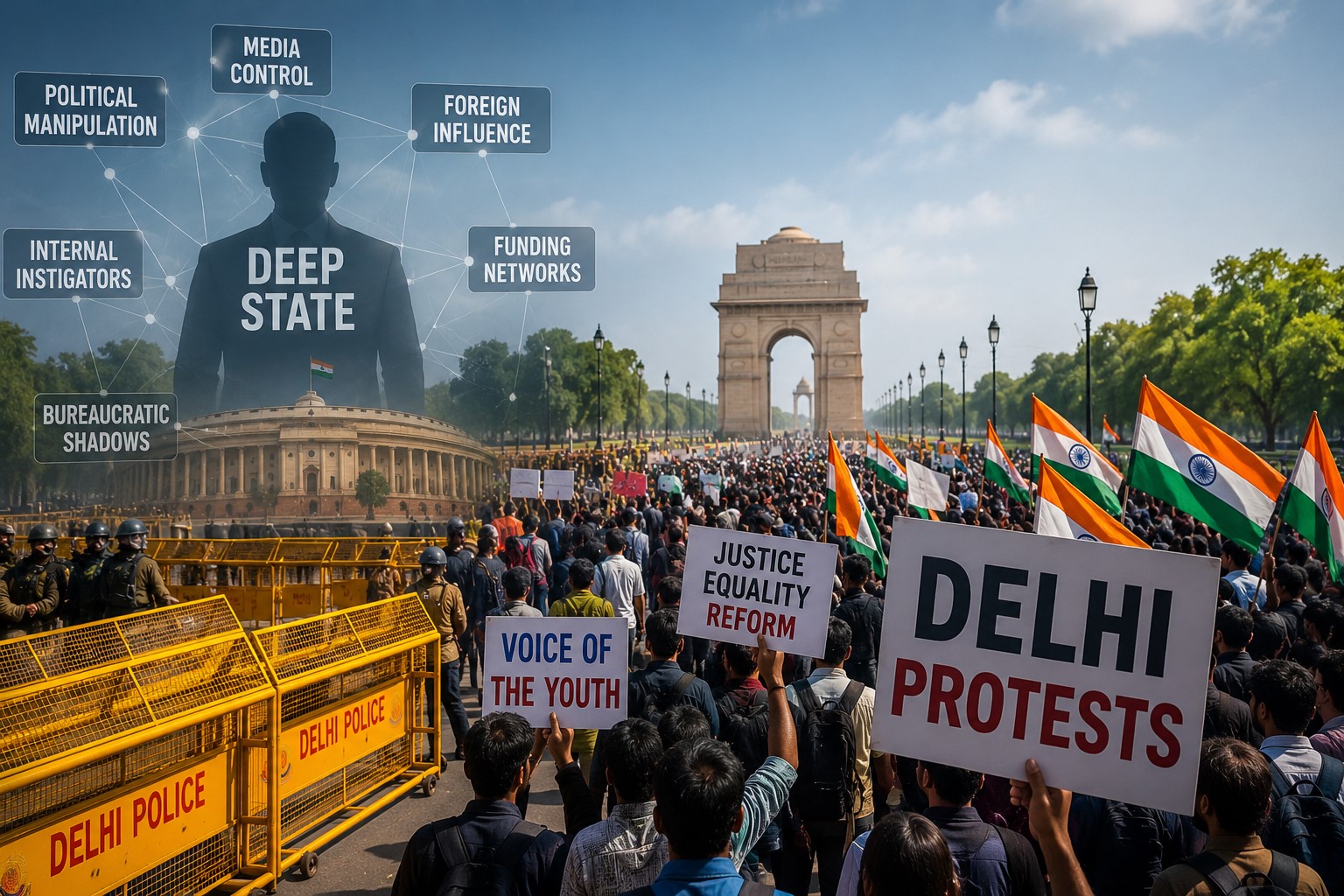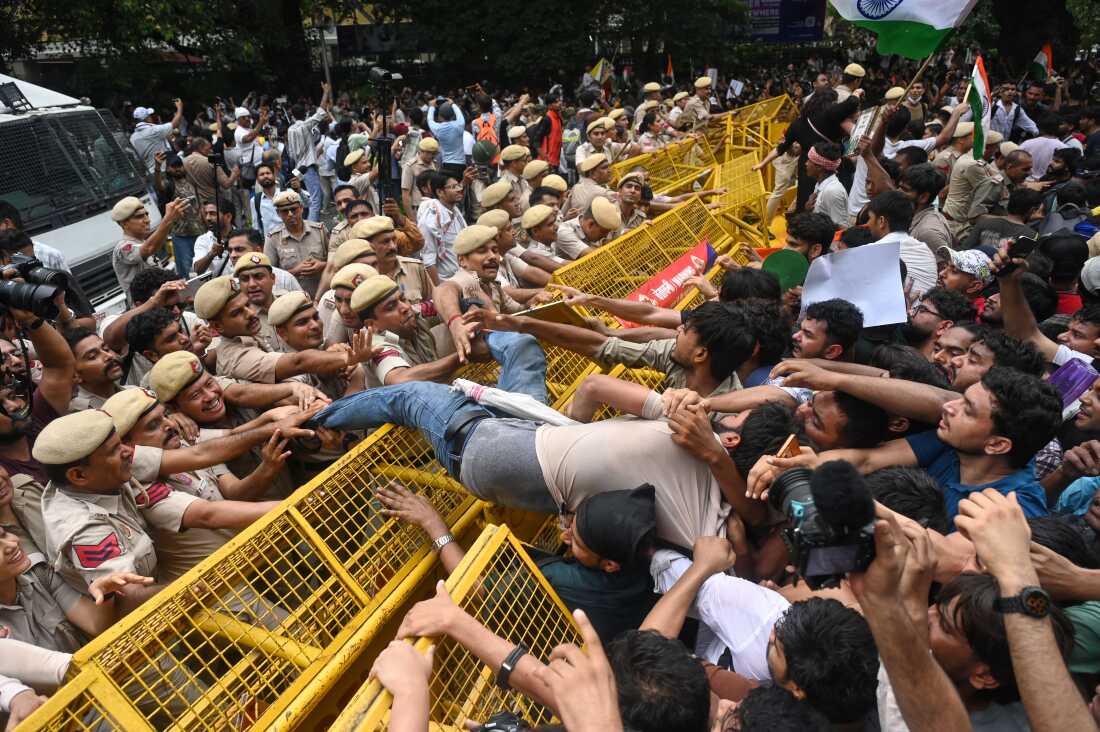

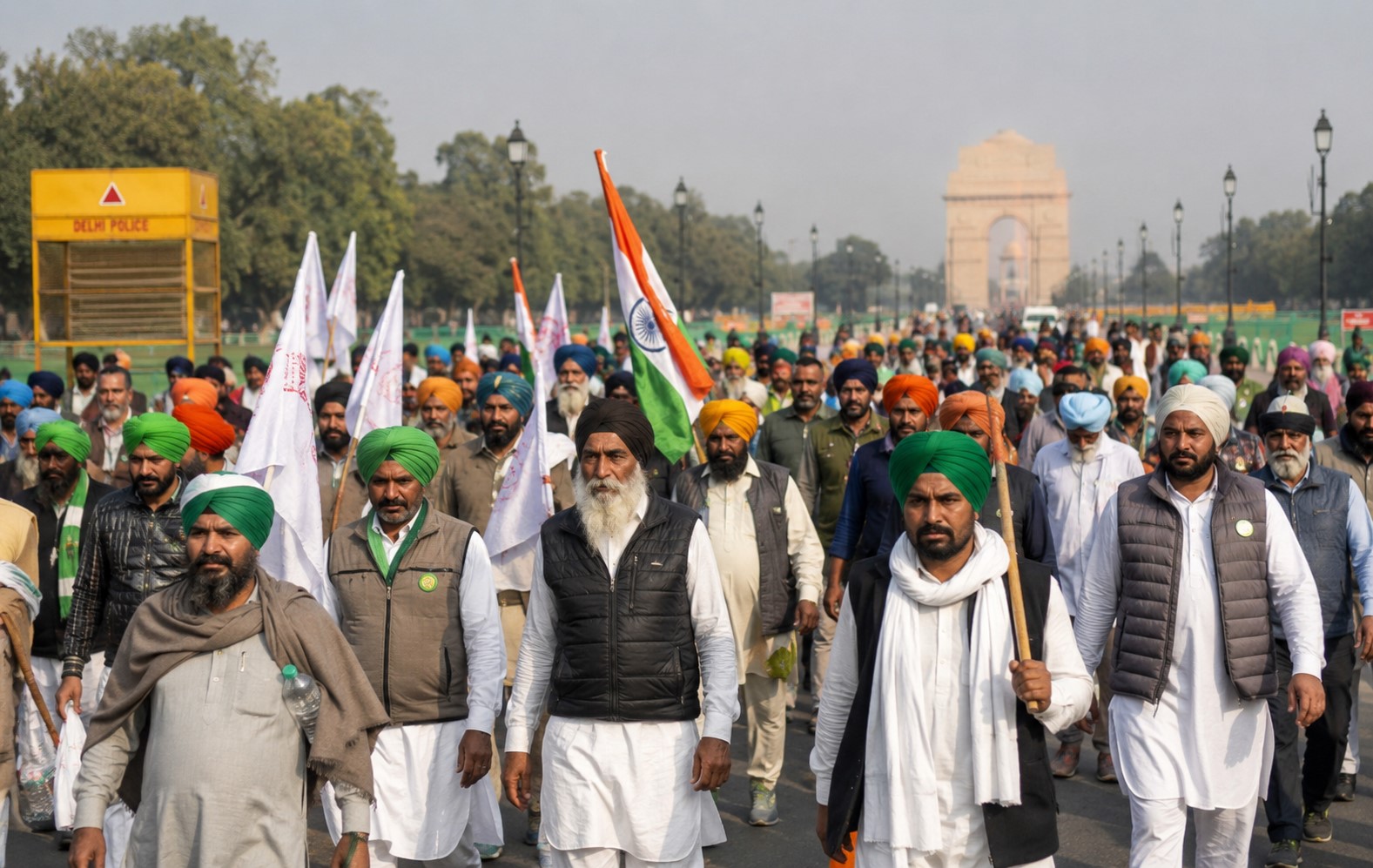
The ongoing India–US trade discussions have become a subject of growing debate among farmer organizations across the country. Although no trade agreement has been finalized, several groups have announced a "Delhi Chalo" march, saying they want the voices of farmers to be heard before any long-term commitments are made.
The concern is not about a signed agreement, but about the possible direction of future negotiations. Farmer representatives believe that any changes affecting agricultural trade should be approached with caution. They argue that policy decisions made today could influence farm incomes, market competition, and rural livelihoods in the years ahead.
According to the protesting groups, agriculture is more than an economic sector—it is the primary source of income for millions of families. They feel that future trade arrangements should strengthen Indian farming rather than create uncertainty. Their demand is for greater consultation, transparency, and safeguards before any commitments involving agricultural products are finalized.

Economists, however, point out that stronger international trade partnerships can create new opportunities for exports, technology exchange, and investment. At the same time, they acknowledge that agriculture is a sensitive sector and requires carefully balanced policies that protect farmers while supporting economic growth.
The planned march to Delhi is intended to communicate these concerns directly to the Central Government. Farmer leaders say they are seeking dialogue rather than confrontation and want assurances that agricultural interests will remain a priority throughout the negotiation process.
As discussions between India and the United States continue, attention remains focused on how the negotiations will evolve. Since no trade agreement has yet been signed, the current debate reflects differing expectations about what a future deal could mean for Indian agriculture. The coming months are likely to be important as policymakers work to balance global trade opportunities with the long-term interests of the country's farming community.