
The term El Nino is often mentioned whenever weather patterns become unpredictable, but its effects go far beyond changing temperatures. It is a natural climate phenomenon that can influence rainfall, agriculture, water availability, and even economic activity in many parts of the world, including India.
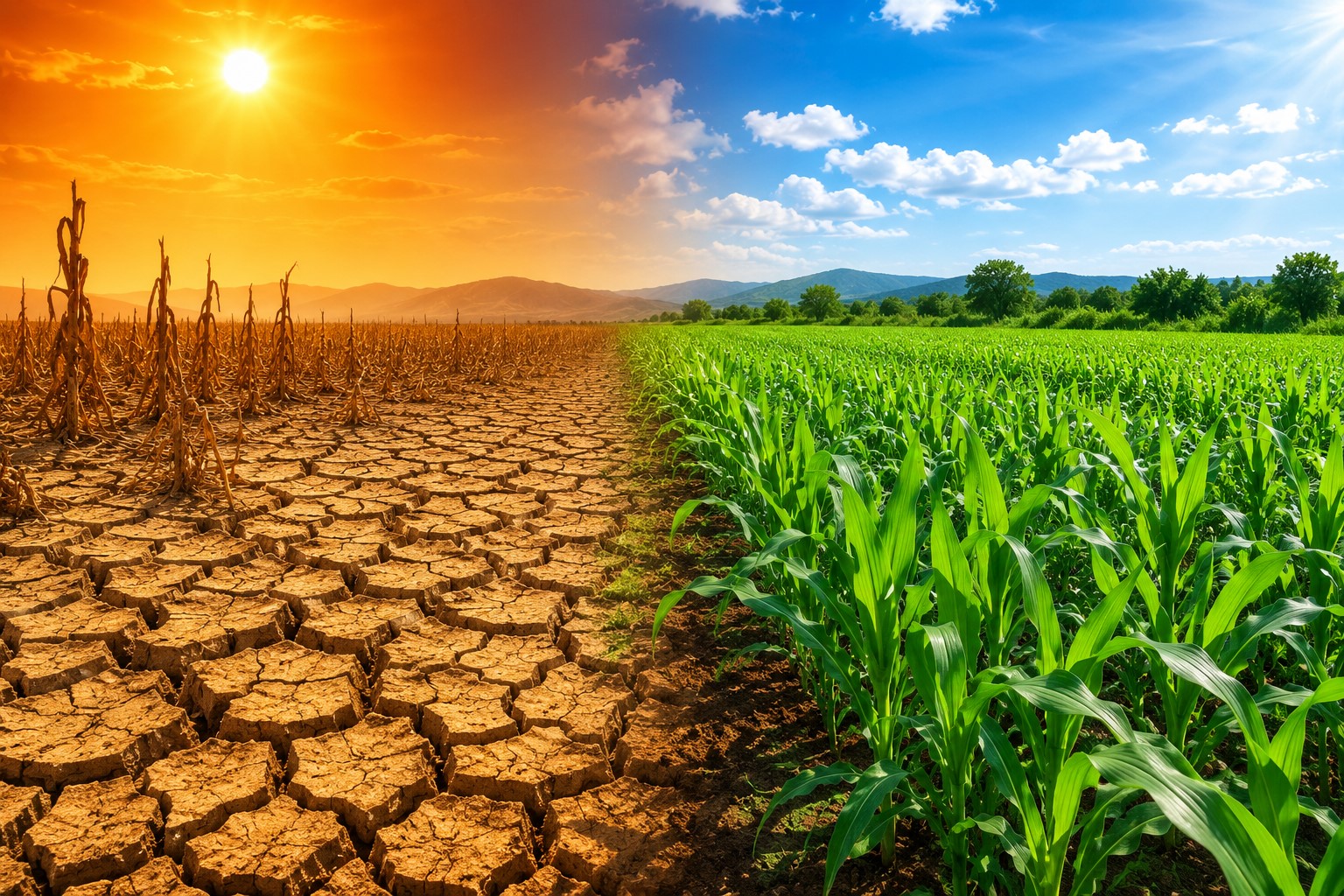
El Niño occurs when sea surface temperatures in the central and eastern Pacific Ocean become warmer than normal. This change affects atmospheric circulation and alters weather patterns across different continents. As a result, some regions may receive excessive rainfall, while others experience below-normal precipitation.
In India, El Niño is closely watched because it can influence the southwest monsoon, which is vital for agriculture. If monsoon rainfall weakens or becomes uneven, several regions may receive less rain than usual. Since a large section of Indian farming still depends on seasonal rainfall, reduced precipitation can create challenges for crop cultivation.

Lower rainfall may affect soil moisture, reservoir levels, and groundwater availability. Farmers worry that inadequate rainfall during crucial stages of crop growth could reduce agricultural output and increase cultivation costs. These concerns are especially significant for rain-fed farming regions where irrigation facilities are limited.
However, experts point out that El Nino does not automatically mean a drought. Weather patterns are influenced by several factors, and the final outcome depends on how different climatic conditions interact. There have been years when El Niño was present but India still received near-normal rainfall in many areas.
Agricultural experts advise farmers to stay informed through official weather forecasts, adopt efficient water management practices, and choose crops based on local climatic conditions. Timely planning and scientific farming methods can help reduce the risks associated with uncertain rainfall.
As weather agencies continue to monitor global climate conditions, scientists will provide updated forecasts in the coming months. Until then, experts recommend relying on verified meteorological information rather than speculation, allowing farmers and policymakers to make informed decisions.